
Why Entry-Level Engineers Are Struggling in the AI Era
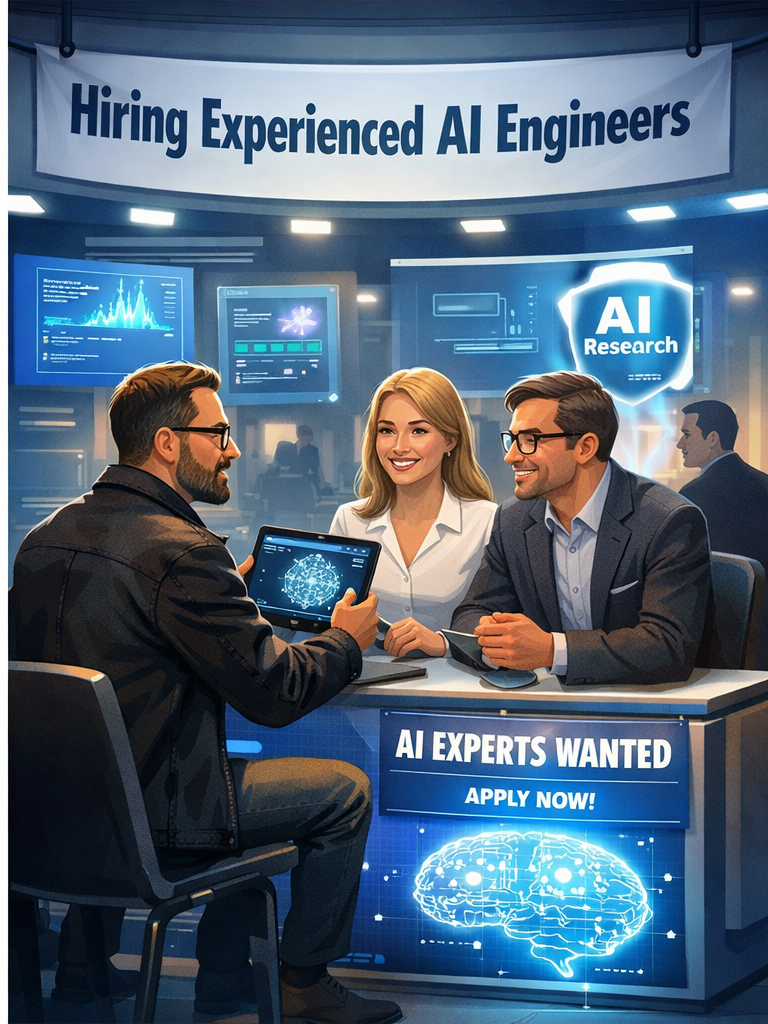
Image created by Chatgpt.
In 2025–2026, artificial intelligence has begun to reshape the hiring landscape in the Bay Area, particularly at major technology companies such as Google, Meta, and Apple. While AI has created new opportunities, it has also made it significantly harder for entry-level engineers to secure jobs.
One of the primary reasons is that AI tools are increasingly capable of performing tasks traditionally assigned to junior engineers. Activities such as writing boilerplate code, generating unit tests, and debugging simple issues can now be handled efficiently by generative AI. As a result, companies no longer need to hire as many entry-level developers to perform these routine tasks. In fact, some reports indicate that entry-level hiring has dropped sharply—by as much as 25% or more in recent years, with even steeper declines in certain sectors.
At the same time, hiring demand has shifted toward experienced engineers who can design systems, integrate AI into products, and solve complex problems. A Stanford study found that employment for early-career engineers declined by around 13% in AI-exposed roles, while more experienced workers saw stable or even growing opportunities. This reflects a structural change: companies now prioritize higher-level thinking over basic coding skills.
Additionally, many large tech firms are reallocating resources toward AI development, often accompanied by layoffs or hiring freezes in other areas. Recent workforce reductions at companies like Meta highlight how firms are cutting roles while simultaneously investing heavily in AI initiatives. These changes reduce the number of available positions, especially for new graduates trying to enter the industry.
Another factor is the increasing competitiveness of the job market. With fewer entry-level openings and a growing number of computer science graduates, applicants face intense competition. Hiring managers are overwhelmed with applications, making it harder for inexperienced candidates to stand out.
However, this trend does not mean that opportunities have disappeared—it means they have evolved. Demand is rapidly increasing for engineers with AI-related skills, and the Bay Area remains the global center for these roles. Those who can work effectively alongside AI, rather than compete with it, are far more likely to succeed.
In conclusion, AI is not eliminating engineering jobs entirely, but it is redefining the entry point into the profession. For aspiring engineers, the path is becoming steeper: basic coding ability is no longer enough. The future belongs to those who can leverage AI tools, think critically, and operate at a higher level from the very start of their careers.