
AI is rewriting the enterprise software business model
For the past few decades, technology purchasing has followed a familiar playbook. Executives selected the platform, procurement negotiated the contract, finance approved the budget and employees received software licenses. The cost of using those applications remained predictable.
But now, the value of data is breaking that model.
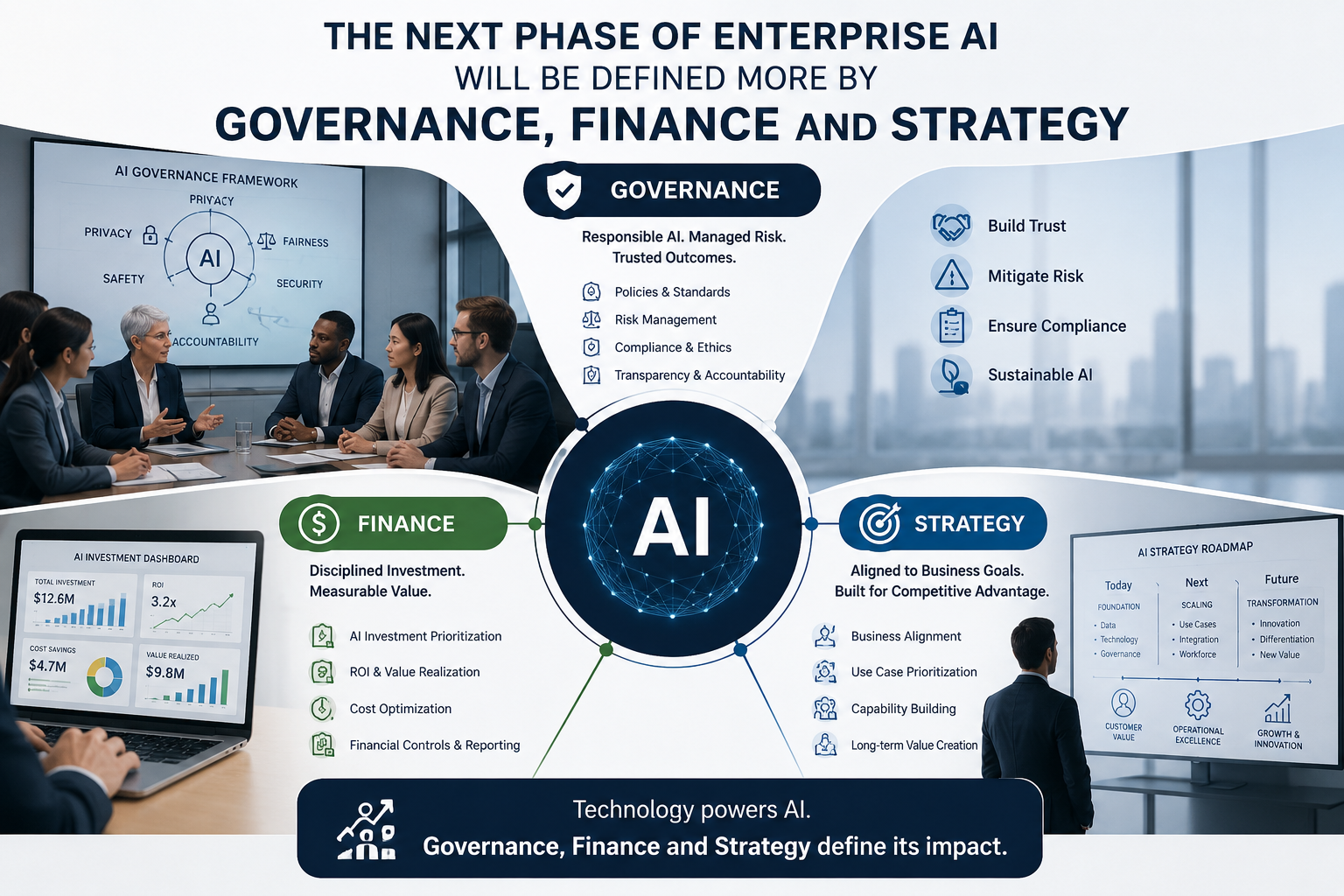
Image created by AI
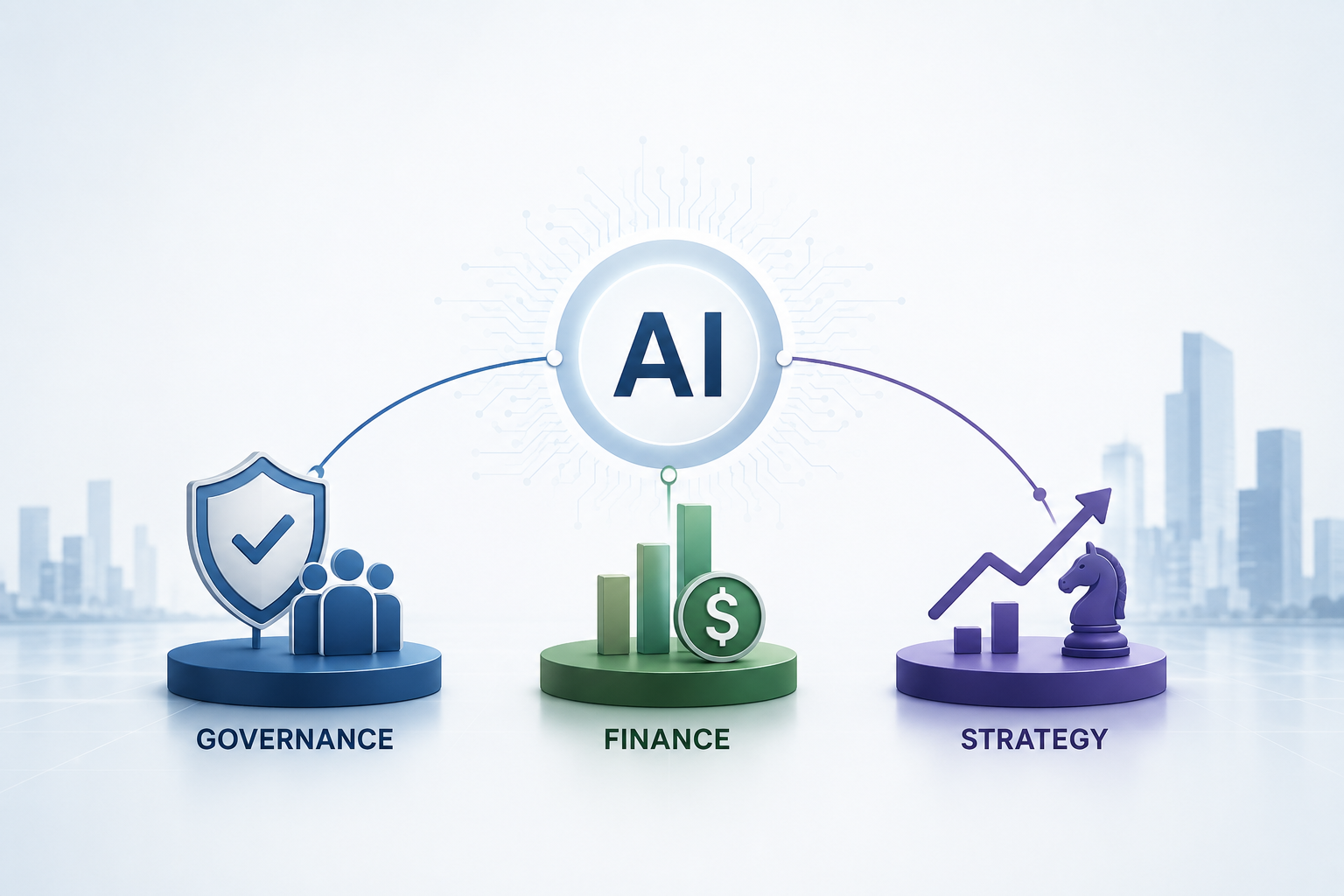
image created by AI
The rise of AI agents, token-based pricing, infrastructure changes and new access models means technical decisions increasingly carry financial consequences that extend well beyond the IT department. Companies that continue approaching AI like traditional enterprise software risk creating cost structures they neither anticipated nor fully understand.
The organizations that succeed over the next several years won’t necessarily be those adopting AI the fastest. According to China Widener, vice chair for technology, media and telecommunications for Deloitte’s U.S. practice, they’ll be the ones making better executive decisions about how AI is governed.
Those decisions are getting increasingly complicated.
“There are what I would call three very common and very present issues. The first is what is my clear strategy for my AI journey as an organization?
“What we know from research that we’ve done is that upwards of 80% of companies either are early stages thinking about that or haven’t yet gotten to the notion of ‘what is my AI strategy’ with enough clarity and specificity.”
That lack of strategic direction, she says, extends well beyond technology. Organizations also have to determine whether they’re prepared to deploy AI at scale.
“The second interesting challenge is how ready are you as an organization? Are your people ready? Do they have the right skills? Have you embraced and understand AI enough?”
Widener’s third question is whether company infrastructure ready.
Infrastructure questions are becoming increasingly important because enterprise AI is changing the economics of enterprise software itself.
For years, software costs were relatively straightforward and remained fixed unless additional licenses were purchased. That assumption no longer holds. Instead of paying primarily for users, organizations are increasingly paying for activity, such as AI inference, API calls, workloads, data access and computational consumption.
Widener believes many executives haven’t yet realized how dramatically this changes enterprise planning. She says organizations are thinking about how to extract value or produce more value from taking advantage of AI and all that it brings, and so are the technology vendors.
The result is a marketplace where both buyers and sellers are simultaneously reinventing their business models. Some vendors are experimenting with outcome-based pricing. Others are shifting toward consumption pricing. Still others are layering new access fees onto existing platforms.
One concept increasingly entering executive discussions is what Deloitte calls “tollgating.”
Rather than focusing on the supply side of AI—compute capacity or model availability—tollgating focuses on access.
Who controls enterprise data, who can use it and, increasingly, who pays each time AI systems access it?
Widener says the concept applies regardless of which enterprise platforms organizations rely on. If you think about the notion regardless of platform—ERP, CRM, HCM, AI—data that belongs to the organization is housed on those platforms.
She offers a simple analogy: Tollgating is a little like putting a toll booth at the front door of your home. The house and what’s in it is yours, but now there’s a cost associated with accessing what’s there.
“Whether that’s accessing for the purpose of inference or workflow, the question becomes, ‘what am I paying for each access?’ It’s an access and control question, which is really on the demand side of an organization’s need to utilize and interact with their data.”
Although tollgating is often discussed alongside tokenization, Widener says executives shouldn’t treat the two concepts as interchangeable.
“There’s a little bit of a nuance between tollgating and tokenization, but they are absolutely inextricably linked. Tokenization is optimization of the actual consumption of the token—and tollgating is about access and control. They don’t exist one without the other as a practical matter, but they are nuanced and they are different. It’s useful, as companies begin to unpack this and think about the impact, for them to appreciate the differences because they do matter.”
Those nuances are reshaping executive responsibilities.
Infrastructure decisions once made almost exclusively inside IT departments now have direct financial implications.
Please click HERE to view the original article.